
Electricity and Water Bills in HCMC: Why Yours Is So High
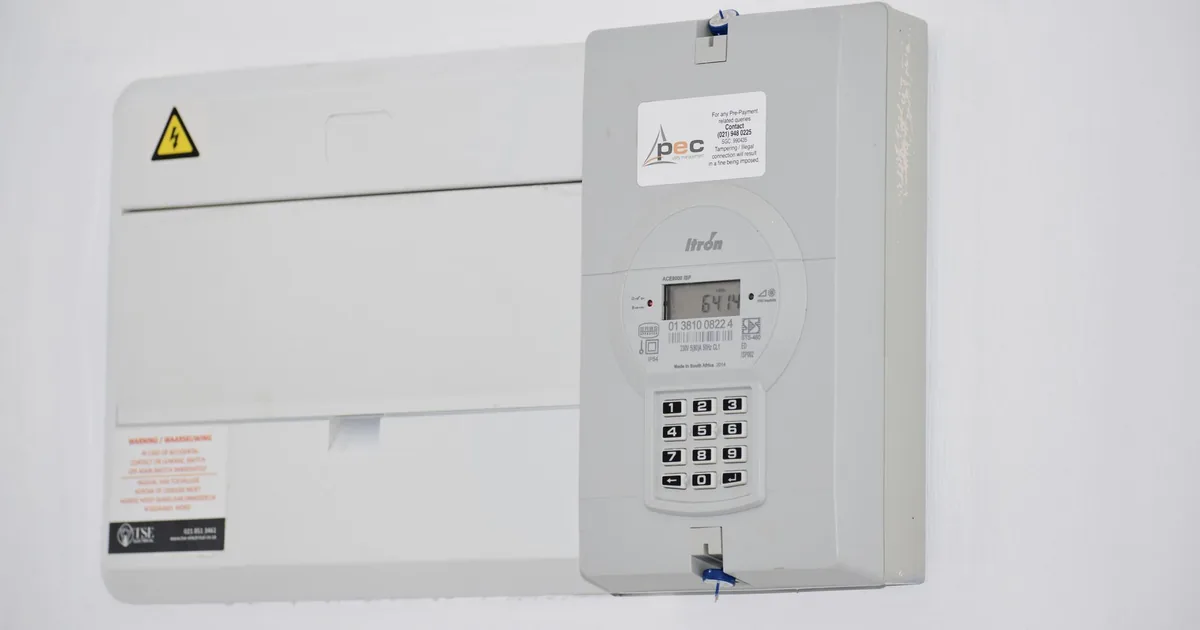
Electricity and water bills in HCMC confuse almost every newcomer. This guide decodes the 2026 EVN six-tier electricity rates, SAWACO water charges (and the hidden wastewater fee), the rule that caps what a landlord can collect, and how to check a bill before you assume you’re overcharged.
“Why is my bill so high?” is one of the first things expats ask after moving in. Usually it’s a mix of three things: hot-weather aircon use, a progressive tariff that most people misread, and a landlord arrangement that bundles too much into one number. This guide breaks down the 2026 electricity and water rates, shows how the stepped pricing actually works, and gives you a simple way to check a bill before assuming you’re being overcharged.
First, separate what’s actually on your bill
The single biggest source of confusion is calling everything “utilities.” In a typical HCMC condo you may pay several different things each month:
- Electricity (your unit’s kWh)
- Water — which itself includes a wastewater fee and taxes (more below)
- Management fee (the building service charge, per m²)
- Parking, internet, gas, and sometimes cleaning or access-card costs
These are separate services with separate bases. A common mistake is letting a single flat “utility” figure quietly absorb the building’s common-area electricity, lift power or cleaning — costs that should be itemised, not hidden inside your private kWh rate.
HCMC electricity in 2026: the EVN six-tier table
Vietnam’s residential electricity price is set nationally and is progressive — the more you use, the higher the rate on the upper slices. As of 2026 the schedule is the six tiers from Decision 1279/QĐ-BCT (effective 10 May 2025). These figures are before VAT:
| Tier | Monthly use | VND per kWh (before VAT) |
|---|---|---|
| 1 | 0–50 kWh | 1,984 |
| 2 | 51–100 kWh | 2,050 |
| 3 | 101–200 kWh | 2,380 |
| 4 | 201–300 kWh | 2,998 |
| 5 | 301–400 kWh | 3,350 |
| 6 | 401 kWh and above | 3,460 |
You can sanity-check your own usage with the official EVNHCMC bill calculator. (It estimates from the tariff and consumption you enter — it can’t prove a landlord’s master-meter allocation is correct.)
Can a landlord mark up electricity?
This is where the law helps you. Under Circular 60/2025/TT-BCT (Article 12.5(c)), where a tenant does not contract directly with the electricity seller, the total electricity the landlord collects must not exceed the monthly invoice from the electricity retailer. In plain terms: residential electricity isn’t supposed to be a profit centre for your landlord.
So how should you read a flat rate?
- A flat VND 4,000–5,000/kWh isn’t automatically illegal — but it’s a clear signal to ask for the actual EVN invoice and meter readings, then check the landlord’s total collection against that invoice.
- Lobby lights, lifts, cameras, the laundry room, parking or management costs should not be silently folded into your private electricity rate — they need a separate, disclosed basis.
HCMC water in 2026: SAWACO rates explained
Water surprises people because the “headline” clean-water price is never the final number. HCMC household water is billed per person per month, and the total also includes a wastewater service charge (30% of the clean-water price) plus VAT on each part. Using the continuing 2026 household schedule, the all-in totals look like this:
| Household use (per person/month) | All-in price (water + wastewater + VAT), VND/m³ |
|---|---|
| Up to 4 m³ | 9,206 |
| Over 4 to 6 m³ | 17,725 |
| Over 6 m³ | 19,786 |
So if your residential water works out closer to VND 9,206/m³ than the bare ~6,700 clean-water rate, that’s not necessarily a markup — it’s the wastewater service and taxes that are part of every household bill. The flip side: a landlord quoting only “water is 6,700/m³” without mentioning wastewater and VAT can create confusion even when the final bill is legitimate. (Unlike electricity, there isn’t a verified single statutory cap on what a landlord may charge a tenant for water, so the check here is documentation, not a fixed ceiling.)
How to check a bill before you complain
Data first, accusation second. Run the same five checks on electricity (and the equivalent on water):
- Confirm the meter is yours. Match the meter/submeter to your unit and photograph the serial at move-in.
- Do the maths: kWh used = closing reading − opening reading, over the actual invoice period (not just the calendar month).
- Find the tariff basis: direct EVN account, landlord submeter, building master-meter allocation, or prepaid meter? That decides what to ask for.
- Ask for the original invoice where the landlord collects electricity — their total can’t exceed it.
- Separate the rest: VAT, common-area power, management, parking and internet are not your private kWh — they should be itemised.
What a transparent landlord or agent actually provides: a lease that states how electricity and water are billed, monthly meter photos, a copy of the original provider invoice for any pass-through charge, and a final meter reading at move-out. If you suspect an overcharge, ask for those documents first, save the replies, and only then escalate to EVNHCMC / the retailer or the local industry-and-trade authority with your evidence in hand.
Why your bill might genuinely be high
Before blaming a markup, rule out the ordinary causes — a big bill is often real:
- Aircon in the heat. Heavy AC use easily pushes you into the upper tiers, where each kWh costs more.
- A longer billing cycle (more than 30 days) inflates the period total.
- An old appliance or water heater drawing more than you’d expect.
- A leak. A dripping aircon, a running toilet or a hidden pipe can quietly spike consumption — and it may not be your fault. If a spike follows a fault, see apartment repairs in HCMC (who pays, and how to report it).
The lease clause that prevents all this
At signing, “utilities excluded” isn’t enough. Ask for something like: “Electricity and water will be charged according to the original provider/BQL invoice and unit-meter readings, with any common-area or service charge listed separately.” That one line forces transparency and heads off most disputes. Set it up alongside your utilities setup at move-in, and it feeds directly into a clean deposit return later (final meter photos, settled bills). For the wider budget, our cost of living and how to save on rent guides put utilities in context, and furnishing choices (efficient aircon, an inverter fridge) affect what you pay each month.
Frequently asked questions
How much is electricity per kWh in HCMC?
As of 2026 it’s a six-tier residential scale from about VND 1,984/kWh (first 50 kWh) up to VND 3,460/kWh (above 400 kWh), before VAT. It’s progressive, so your average rate rises with how much you use — not a single flat number.
Can my landlord charge 4,000 VND per kWh?
Not automatically illegal, but it’s a flag. Where you don’t have a direct EVN contract, the landlord’s total collection can’t exceed the actual EVN invoice (Circular 60/2025). Ask for the original invoice and meter readings and compare — a flat rate that pushes their collection above the real bill is the problem.
Why is my water bill higher than 6,700 VND per m³?
Because the clean-water price isn’t the final figure. HCMC household water adds a wastewater service charge (30% of the water price) plus VAT, so the all-in residential total runs roughly VND 9,206–19,786/m³ depending on how much each person uses.
Does the water bill include wastewater fees?
Yes. The wastewater (drainage/treatment) service is a standard component of a residential water bill, charged at 30% of the clean-water unit price, with VAT on both parts. It’s normal, not an extra invented by your landlord.
Do I have to pay the building’s common-area electricity?
Common-area costs (lifts, lobby, cameras) are usually covered by the building management fee, not your private electricity. They shouldn’t be silently absorbed into your per-kWh rate — ask for them to be shown separately with a clear basis.
How do I calculate my electricity bill from the meter?
Take the closing reading minus the opening reading for the billing period to get your kWh, then apply the tiers in steps (first 50 at Tier 1, next 50 at Tier 2, and so on), and add VAT. The EVNHCMC online calculator can do this for you as a cross-check.
Key takeaways
Electricity and water bills in HCMC — the short version
- Electricity is a six-tier progressive scale (≈1,984→3,460 VND/kWh before VAT, 2026) — the rate rises with usage, it’s not one flat number.
- Where you have no direct EVN contract, your landlord can’t collect more than the actual EVN invoice (Circular 60/2025) — a flat 4,000/kWh rate is a cue to ask for proof.
- Water is billed per person, and the all-in total (≈9,206–19,786 VND/m³) includes a 30% wastewater fee plus VAT — so it’s normally above the headline clean-water rate.
- Don’t lump everything as “utilities” — keep electricity, water, management, parking and internet separate.
- Check before you complain: meter readings, the original invoice, the tariff basis, then escalate to EVNHCMC with documents.
- Put it in the lease: bill from the provider/BQL invoice + unit-meter readings, common-area charges listed separately.
Renting soon? Start with a transparent utility clause
The cleanest way to avoid bill surprises is to get the utility terms right before you sign — and as tenant-side agents we charge you no fee and make sure that’s spelled out. Browse Thao Dien, Binh Thanh and District 4 apartments, or tell us your budget and we’ll shortlist it.
Related guides:
Ready to find your home in Ho Chi Minh City?
Tell us your budget, area, and timeline — we send a curated shortlist within 24 hours.
WhatsApp Us