
HCMC Apartment Handover Checklist: Photos, Inventory and Condition Reports
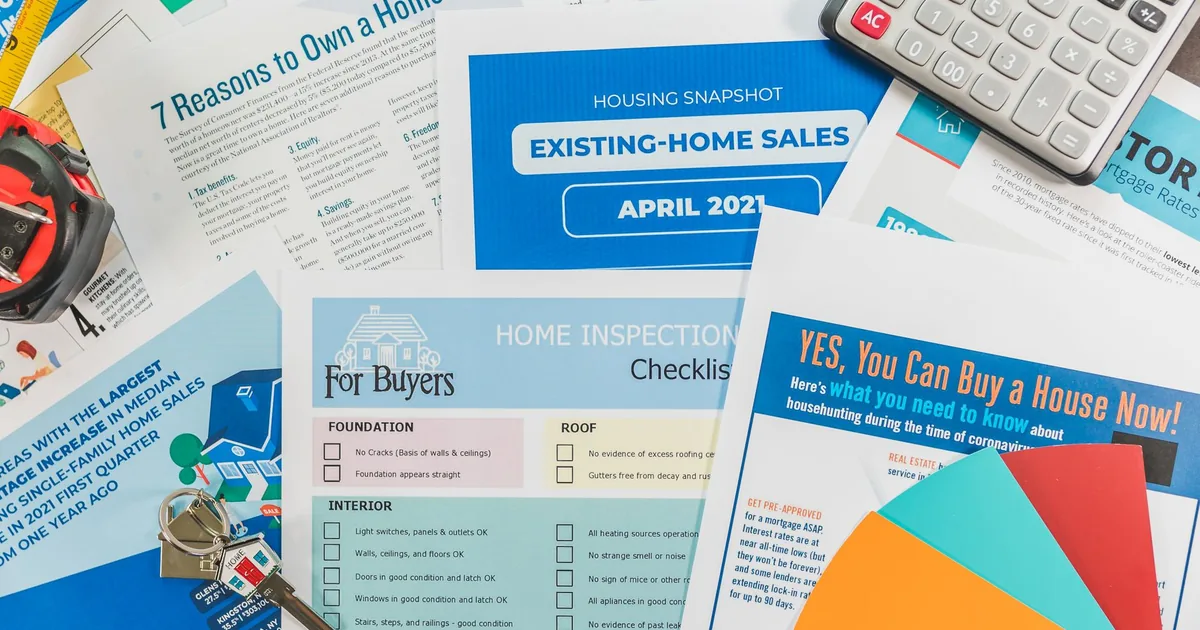
HCMC apartment handover checklist for foreign tenants receiving keys in Ho Chi Minh City. Record access cards, meters, furniture, appliances, photos and condition notes before movers cover the evidence, then share one clear packet with the landlord or agent.
The apartment viewing tells you whether a place feels right. The handover decides what condition you officially received it in. That small difference matters in Ho Chi Minh City, where a tenant may move into a furnished condo with multiple access cards, parking tags, air-conditioners, washing machine hoses, balcony drains, building rules and a deposit sitting in the background.
A good handover is not about being difficult. It is about making the move-in baseline boringly clear. Under Vietnam’s Civil Code 2015, the condition agreed at delivery and the condition returned later both matter in a rental relationship. A dated inventory and condition report gives both sides a cleaner record. This article is practical rental guidance, not legal advice, but the habit is simple: document now so you are not reconstructing the facts six months later.
Why handover matters more than the viewing
Many foreign tenants do a careful viewing, then treat handover as a quick key pickup. That is the wrong order. During the viewing, furniture may still belong to the current tenant, repairs may be “in progress”, and the apartment may not yet be cleaned. At handover, you are much closer to the real start of responsibility.
In practice, the handover record helps with four things:
- Deposit protection: it separates pre-existing scratches, stains and missing items from damage caused during your tenancy.
- Repair routing: it shows which issues should be corrected before or shortly after move-in.
- Access control: it confirms the number of keys, cards, remotes, parking tags and app logins you received.
- Move-in coordination: it keeps building office registration, elevator booking, parking and temporary residence questions from being forgotten.
Before you accept the keys
Do not start with the defect list. Start by confirming who is in the room and what document you are working from. This sounds administrative, but it prevents many later arguments.
- Match the unit to the contract. Confirm building name, tower, floor, unit number, parking slot if any, lease start date and the landlord or authorized representative’s name.
- List everyone present. Record tenant, landlord, agent, building management representative and any technician who joins the handover.
- Agree the language. If the landlord uses Vietnamese forms, add English notes beside the important items or keep a bilingual summary sheet.
- Schedule before boxes arrive. Empty walls, floors, bathrooms and kitchen counters are much easier to photograph before luggage and cartons hide the evidence.
- Keep original files. Photos and videos should stay in their original phone gallery or cloud folder. Do not rely only on screenshots of chat messages.
If something major is still unfinished, decide whether the handover should pause, proceed with a written deadline, or proceed only for limited access. A dirty apartment may only need cleaning scheduled that day. A non-working air-conditioner in the main bedroom is different.
HCMC apartment handover checklist
Use the checklist below as your working structure. You do not need a beautiful form. You need a dated, specific record that both sides can understand.
| Category | What to record | Why it matters later |
|---|---|---|
| Access items | Door keys, mailbox keys, access cards, parking cards, elevator cards, remote controls, smart-lock codes and app onboarding. | Missing cards or remotes can be charged at move-out if nobody recorded the starting count. |
| Meters | Electricity and water readings, meter numbers if visible, date and time of reading, and whether the reading matches any supplied bill or photo. | Prevents overlap between the previous occupant’s usage and your first bill. |
| Furniture | Item, room, count, material, visible condition and any existing marks. Photograph brands or labels when useful. | Furnished apartments often have many small items that become “missing” only at checkout. |
| Appliances | Air-conditioners, fridge, stove, hood, washing machine, water heater, TV and remotes. Note whether each was tested. | “Looks new” is not the same as working. A tested or untested status is clearer. |
| Condition defects | Room, location, factual description, photo/video filename, agreed action, responsible person and deadline. | Creates a practical repair queue and a move-out baseline. |
| Building items | Resident registration, move-in rules, elevator use, parking allocation, amenity cards and management-office contact. | Condo towers often split unit handover from building onboarding. |
Inspect room by room
Move through the apartment in one direction so you do not miss corners. In a typical HCMC condo, we prefer starting at the entrance and ending at the balcony or laundry area. That flow mirrors how you will later re-check the unit at move-out.
Entrance, living room and bedrooms
- Open and close the main door, balcony doors, bedroom doors and wardrobes.
- Check visible scratches on flooring, skirting, walls, built-in cabinets and window frames.
- Test light switches, ceiling fans if any, curtain tracks and power outlets that are easy to access.
- Count sofa cushions, dining chairs, mattresses, bed frames, side tables and remotes.
- Photograph stains on mattresses or upholstery before you put sheets or covers on them.
Kitchen and laundry
- Turn on the hood, stove, fridge, microwave, kettle or built-in oven if included.
- Open lower cabinets and check for damp smell, swelling, loose hinges or pest evidence.
- Run water briefly at the sink and look below the cabinet for visible leaks.
- For washing machines, start a basic cycle if practical, then check the inlet hose and drain area.
- Photograph the brand/model plate or serial sticker if easy to reach.
Bathrooms and balcony
- Flush toilets, run showers and taps, and watch whether water drains normally.
- Record cracked tiles, loose towel rails, broken silicone, stained ceilings or water marks.
- Test the water heater if it is safe and practical to do so.
- Check balcony floor, drain area, glass railing and any outdoor condenser platform visible from inside.
- Do not diagnose hidden waterproofing problems. Record what you can see.
If something cannot be tested, write that. “AC in bedroom 2 not tested – no remote present” is better than leaving it blank. Blank fields invite assumptions.
Photos, video and the condition report
Photos are strongest when they are organized. A hundred random images in a chat thread is better than nothing, but a clean photo set plus a written issue log is far easier to use.
- Take wide shots first. Photograph each room from the doorway and from the opposite corner before taking close-ups.
- Then document defects. For every scratch, stain, crack, dent, missing item or water mark, take one close-up and one wider context photo.
- Film one slow walkthrough. Video is helpful for layout and continuity, but it should supplement the written report, not replace it.
- Name the folder clearly. Use a cloud folder such as “Unit A12-08 handover – 2 July 2026” and share the same link with all parties.
- Send the packet the same day. Email or message the PDF/report, inventory and photo folder, then ask the landlord or agent to acknowledge receipt.
Vietnam’s Civil Procedure Code recognizes several sources of evidence, including documents, visible/audible materials and electronic data. That does not mean a photo automatically wins a dispute. It does mean a dated, consistent record is far stronger than a memory-based argument later.
How to write the issue log
A good handover report is not emotional. It reads like an inventory technician wrote it. That tone helps everyone. The landlord can route repairs. The tenant can move in. The agent can follow up without translating complaints into tasks.
| Field | Example |
|---|---|
| Room / area | Master bedroom |
| Exact location | Wardrobe left sliding door, lower track |
| Observed condition | Door sticks halfway and does not close fully |
| Evidence | Video MOV_1184, photo IMG_1185 |
| Agreed action | Landlord to send technician |
| Deadline | Before 6 pm, 5 July 2026 |
| Status | Pending / fixed / accepted as-is |
This structure is also useful for follow-up repairs during the lease. If a real repair issue appears after you move in, send it in the same format and refer to our guide to apartment repairs in HCMC for who normally handles landlord, tenant and building-management routing.
Fix before move-in, record for later, or accept as-is?
Not every issue deserves the same response. Foreign tenants sometimes delay a move-in over cosmetic marks that could simply be documented. They also sometimes accept functional problems that should have been fixed before they slept there. Separate the two.
Push to fix before move-in
- No working air-conditioning in a main bedroom
- Water leak under sink, bathroom, washing machine or ceiling
- Broken door lock, balcony lock or unsafe electrical point
- Missing key/access card needed for daily entry
- Apartment not cleaned to the agreed standard
Usually record and proceed
- Small scratches on floor, wall or furniture
- Normal wear on sofa, chair legs or table edges
- Minor paint touch-ups already acknowledged
- Old appliance cosmetic marks with normal function
- Building-office onboarding that has a clear next step
If a defect affects safety, access or basic use, ask for correction before accepting full handover when practical. If you proceed, make the responsible person and deadline explicit. “Landlord will fix soon” is not a deadline.
Condo tower vs serviced apartment vs small landlord
The checklist stays similar, but the handover style changes by property type.
Condo tower
Keep one unit condition report with the landlord or agent, and one building onboarding list for access cards, parking, resident registration, amenity rules and management office contacts.
Serviced apartment
Record the physical condition, then confirm cleaning, linen, maintenance contact, Wi-Fi access and billing scope. Do not assume every serviced apartment includes the same services.
Small landlord
A bilingual signed inventory plus same-day message acknowledgement may be more realistic than a long form. Keep the language plain and the photos organized.
For large condo towers such as Vinhomes Central Park in Binh Thanh or Masteri Millennium in District 4, building management procedures may sit outside the private unit lease. Do not assume an access-card deposit, elevator booking rule or move-in window is citywide. Ask the building office for that building’s current process.
Temporary residence is separate from building access
Foreign tenants should not confuse building registration with temporary residence declaration. A building management desk may issue resident cards or collect passport copies for access, but that does not automatically mean your temporary residence has been declared correctly.
The Ho Chi Minh City Police guidance explains that accommodation managers or owners normally declare temporary residence for foreigners, with limited situations where a long-term foreign tenant may self-declare. At handover, ask three direct questions:
- Who is responsible for declaring temporary residence?
- Which documents are needed from the tenant and when?
- How will the tenant receive confirmation or proof if needed?
For the deeper process, use our guide to temporary residence registration in Vietnam. In the handover meeting, your goal is just to make sure the task has an owner.
Final sign-off packet
Before everyone leaves, make one final packet. It can be a PDF, a shared document, or a signed paper form scanned into a cloud folder. The format matters less than completeness.
Your handover packet should include
- Lease reference, date, time, unit address and names of people present.
- Keys, cards, remotes, parking items and app/login access received.
- Electricity and water meter readings with photos where possible.
- Furniture and appliance inventory with tested / not tested status.
- Condition report with room, issue, photo/video file and agreed action.
- Building office checklist: resident cards, parking, move-in rules and temporary residence owner.
- Same-day message or email acknowledging the shared folder and report.
Keep the tone neutral. If the apartment is good, say so. If a few items need repair, list them. The best reports are not dramatic; they are easy to execute.
Frequently asked questions
Is an apartment handover checklist legally required in Vietnam?
We have not found a universal mandatory government handover checklist form for private apartment rentals. Treat it as a contract and evidence best practice. The Civil Code makes the condition of rented property at delivery and return important, so a written baseline is sensible.
Should I refuse the keys if the apartment has defects?
It depends on the defect. Safety, access, major appliance and active leak issues should usually be fixed before or very quickly after handover with a written deadline. Cosmetic wear can often be documented and accepted without delaying move-in.
Are photos enough to protect my deposit?
Photos help, but do not rely on photos alone. Pair them with a written inventory, issue log, timestamps, shared folder and acknowledgement from the landlord or agent. For move-out strategy, read our guide on how to get your rental deposit back in HCMC.
Who should sign the handover report?
Ideally the tenant and landlord or authorized representative sign. If building management handles part of the process, keep their paperwork too. If a formal signature is not practical, send the completed report and photo folder the same day and ask for acknowledgement in writing.
What if an appliance cannot be tested during handover?
Write “not tested” beside that item and state why. Examples include missing remote, no power, no water connection or technician needed. Then agree who will test it and by what date.
Should I include building rules in the unit handover?
Yes, but keep them as a separate building-office section. Access cards, parking, elevator use, amenity registration and move-in windows are building-specific. They are not the same as the physical condition of the private unit.
Need help with a clean handover?
VietnamRenty helps foreign tenants shortlist apartments, compare buildings, review practical handover details and coordinate with landlords or building management. If you want a smoother move-in, our team can help you choose between live options in District 1, Binh Thanh, Thao Dien or District 4. No fee is charged to tenants.
Related guides:
Ready to find your home in Ho Chi Minh City?
Tell us your budget, area, and timeline — we send a curated shortlist within 24 hours.
WhatsApp Us