
Is HCMC Safe at Night? A Practical Safety Guide for Foreigners
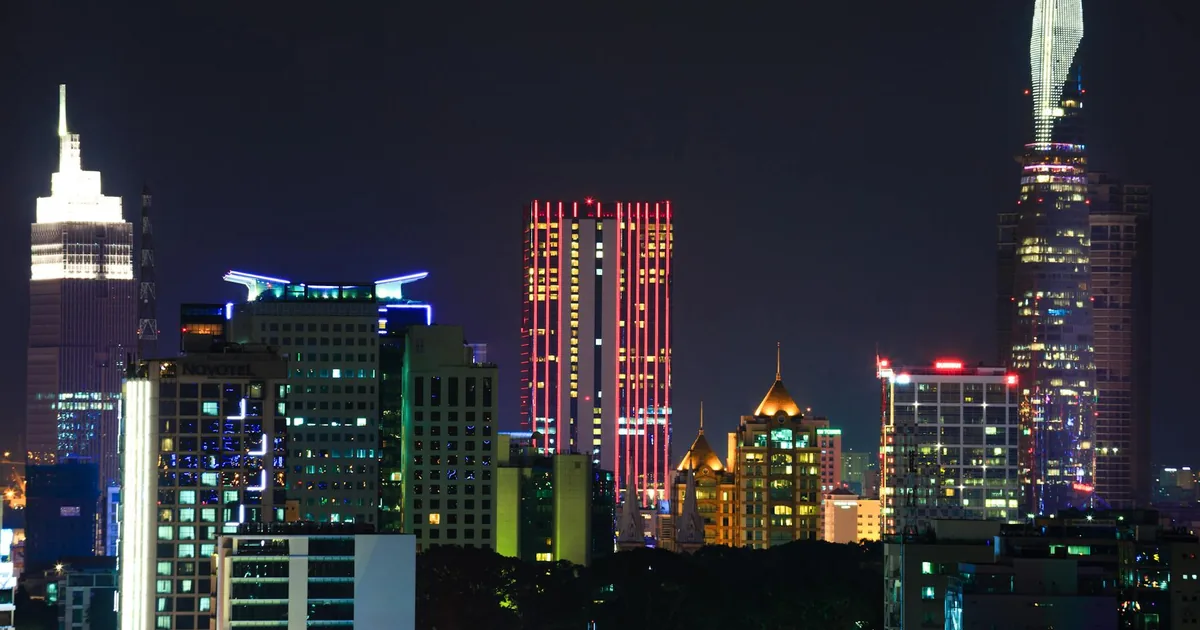
Is HCMC safe at night? For most foreigners, yes — with normal big-city awareness. This 2026 guide gives the honest risk picture (it’s petty theft, not violent crime), how to handle phone and bag snatching, safe late-night transport, the areas that feel most secure, and how to choose a building you can get home to safely.
Short version up front: for the great majority of foreigners, is HCMC safe at night has a reassuring answer — yes, with the same street sense you’d use in any big city. Saigon buzzes late, people are out, and violent crime against foreigners is rare. The risk that actually catches expats isn’t an attack; it’s losing a phone, bag or wallet, most often to a thief on a passing motorbike.
This guide gives the honest picture — what official advisories and perception data actually say — then the practical part: how to handle snatch-theft, get home safely, drink sensibly, read the areas after dark, and choose a building you can come home to at midnight without a second thought. It’s the personal-safety companion to our guide on nightlife scams, which covers the money side — bar bills and overcharging.
The honest risk picture
Every major government advisory lands in the same place. The US State Department and the UK’s FCDO both say violent crime against foreigners is rare, while petty theft — pickpocketing and especially motorbike bag-snatching — happens regularly in crowded and tourist areas. Australia’s Smartraveller and Canada’s advice say the same, and all four single out that snatch-and-grab pattern.
Perception data fills in the texture without being hard fact: on Numbeo’s crowd-sourced index, HCMC’s “walking alone at night” score sits in the Moderate band — lower than Singapore and a little below Hanoi, but far from alarming. Treat that as how people feel, not a measured crime rate. Put it together and the realistic read is simple: it’s comfortable to be out at night here, with one habit — guarding your belongings near traffic — doing most of the heavy lifting.
The number-one night risk: phone and bag snatching
If you remember only one thing, make it this. Thieves on motorbikes ride past pedestrians — and stopped riders — and grab phones, bags and cameras in a second; every government advisory names it specifically. It’s fast, opportunistic, and almost always about distraction near the road.
How to make yourself a non-target:
- Keep your phone off the kerb edge. Most snatches happen when you’re scrolling a map or waiting for a Grab with your phone out toward the street. Step back from the curb and hold it with both hands.
- Carry bags on the inside shoulder, away from traffic — not a loose crossbody hanging on the road side. A strap worn across the body, under a jacket, is harder to grab.
- Don’t walk while staring at your phone along busy roads at night, especially in tourist zones.
- If someone does snatch something, let it go. The advisories are unanimous: don’t resist or chase. A grab is rarely violent unless you hold on and get pulled off balance into traffic.
Getting home safely after dark
The late ride home is the other place to be deliberate. Default to app-based transport: UK government advice specifically recommends pre-booked rides or official apps like Grab and Xanh SM, booked end-to-end in the app so the plate and driver are logged.
- Match the plate and driver photo before getting in, and ignore anyone outside a bar or at the airport who says “I’m your Grab” but isn’t in the app.
- Prefer a car over a bike taxi at night if you’ve been drinking or it’s raining.
- If you take a street taxi, use a recognisable firm like Vinasun or Mai Linh and check the meter is running. A random, unbooked xe ôm is the least traceable option late at night.
- Share your trip in-app so a friend can watch you get home.
Full detail on apps and fares is in our getting around HCMC transport guide.
Drinks and nightlife
Personal-safety basics, briefly: buy your own drinks and keep them in sight, and don’t accept drinks, snacks, gum or cigarettes from strangers or brand-new acquaintances — official advisories flag spiking. Separately, the UK warns about methanol-tainted alcohol in Vietnam, occasionally even in licensed bars, so be cautious with suspiciously cheap spirits or unlimited “premium” pours of unknown origin. And a simple one: if you’re heading toward too-drunk, book your ride home while you can still check the plate. The money side of nightlife — inflated bills and overcharging — is in nightlife scams in HCMC.
Which areas feel safest after dark?
No HCMC area is “dangerous” by default, and none is risk-free. After dark it really comes down to lighting, the kind of crowd, and how easily you get from a car to your front door. A quick read:
- District 1 is busy and well-lit late, with everything close — but the Bui Vien / Pham Ngu Lao party strip concentrates crowds, alcohol and pickpocket opportunity, so keep your phone and wallet controlled there. The polished Dong Khoi / Le Thanh Ton side is calmer. Towers like The Marq and Grand Marina pair central access with a managed lobby.
- Thao Dien feels residential and relaxed, but some side streets are dark and quiet late at night — the practical question is whether your building sits on a lit street with easy car pickup. Masteri Thao Dien and Gateway Thao Dien score well on access.
- Vinhomes Central Park (Binh Thanh) is a strong pick for safety-minded renters who still want a short ride to nightlife: a gated, guarded township with a managed drop-off, then District 1 or Thao Dien minutes away by car. See Vinhomes Central Park.
- Phu My Hung is the calmest of the lot — planned, wide, well-lit streets that are easy to walk in the evening, at the cost of distance from central nightlife. See the Phu My Hung area guide.
- District 3 is central and local; safety is a building-by-building call — choose an entrance on a lit arterial with a clear Grab spot rather than one buried down a dark alley. See District 3 apartments.
For how these areas compare on rent and lifestyle for a single renter, see the best areas in HCMC for single expats guide.
Choose a building you can get home to safely
For night safety specifically, the building matters as much as the area, and the features that count are all about safe arrival: a manned lobby, a lit, clearly defined car drop-off where a Grab can stop without idling in moving traffic, CCTV at the entrance, and a front door that isn’t buried down an unlit alley. Canada’s advice also notes residential break-ins can rise around Tet, so a building with genuine 24/7 security and visitor control earns its keep.
For a fuller building-security checklist — including solo-arrival considerations that apply to anyone — see living in HCMC as a foreign woman, which covers it in depth.
Emergency numbers and what to do after a theft
Save these before you need them: 113 police, 115 ambulance, 114 fire, and 112 for national search-and-rescue. Operators answer in Vietnamese, so keep a translation app handy — or ask a Vietnamese-speaking friend or your building security to help you make the call.
If something is snatched:
- Don’t chase. Get to a safe, lit, public spot first — your phone is replaceable.
- Lock it down. From another device, freeze your phone, SIM and banking apps, and report the lost phone to your carrier.
- File a police report at the local ward police — you’ll need it for any insurance claim or bank dispute.
- Tell your building management; they can often help with translation and with the local report.
Frequently asked questions
Is Ho Chi Minh City safe to walk at night?
For most people, yes, with normal city sense — central, busy streets are walked by foreigners every night. The main thing to manage is petty theft: keep your phone off the kerb edge, your bag on the inside shoulder, and don’t walk staring at your screen near traffic. Quiet, unlit side streets and alleys are where you’d most want a Grab instead of a walk.
What is the biggest safety risk in HCMC at night?
Phone and bag snatching by thieves on motorbikes. It’s the one risk every official advisory highlights, and it’s opportunistic — they target distraction near the road. It’s not violent unless you resist, which is why the standard advice is to let go and report it rather than chase.
Are violent crimes common against foreigners in Vietnam?
No. The US State Department, UK FCDO, Australia and Canada all describe violent crime against foreigners as rare. The realistic risks are petty theft, overcharging and the occasional spiked drink — serious to deal with, but very different from a high-violence environment.
Should I use Grab or taxis at night in HCMC?
App-based rides (Grab or Xanh SM) are the safest default because the fare, plate and driver are logged in the app and you can share the trip. UK government advice recommends exactly these, or a reputable metered taxi like Vinasun or Mai Linh. Avoid random unbooked motorbike taxis late at night, and never trust someone who claims to be your app driver but isn’t in the app.
What emergency number should I call in Vietnam?
Police 113, ambulance 115, fire 114, and 112 for national search-and-rescue. The lines are answered in Vietnamese, so have a translation app or a Vietnamese speaker ready; your building’s security or reception can also help you place the call and explain the situation.
Which HCMC areas feel safest for expats after dark?
Gated, managed environments feel most secure at night — Vinhomes Central Park and Phu My Hung lead for guarded entrances, lighting and calm streets. District 1 is safe but busy, so mind your belongings around the nightlife strips. Thao Dien and District 3 are fine too, but the real variable is your exact street and building entrance, not the district name.
Key takeaways
📌 Night safety in HCMC, distilled
- So, is HCMC safe at night? Generally yes — violent crime against foreigners is rare
- The real risk is phone/bag snatching from motorbikes; keep your phone off the kerb, bag inside shoulder
- If snatched, don’t resist or chase — let go, then report it
- Ride home on Grab or Xanh SM; match the plate; or use Vinasun/Mai Linh; avoid random late-night xe ôm
- Watch your drink; beware suspiciously cheap alcohol (methanol); book your ride before you’re too drunk
- Gated compounds (VCP, Phu My Hung) feel safest; elsewhere it’s about a lit street and easy pickup
- Save 113 / 115 / 114; pick a building with a manned lobby and a lit drop-off
Want a building you’ll feel safe coming home to?
Tell us your area and budget, and we’ll shortlist buildings with manned 24/7 lobbies, lit drop-offs and easy ride-hailing access — so the trip from a late dinner to your door is a non-event. We’re a rental agency and charge tenants no fee.
Related guides:
Ready to find your home in Ho Chi Minh City?
Tell us your budget, area, and timeline — we send a curated shortlist within 24 hours.
WhatsApp Us