
Having a Baby in HCMC: Maternity Hospitals, Costs and Birth Registration
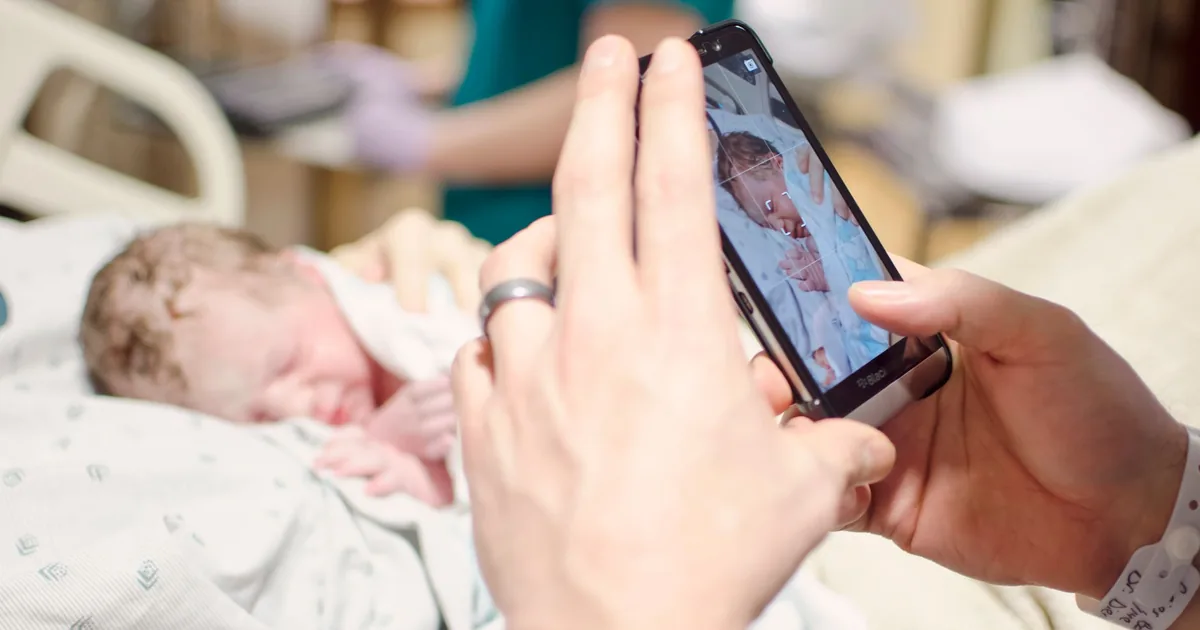
Having a baby in HCMC, organised step by step: where expats can give birth, what 2026 maternity packages cost, how to register the birth at your ward after the 2025 reform, the nationality and embassy/passport sequence, and where to rent near your hospital. Care guidance, not medical advice.
Having a baby in HCMC is very manageable for expat families — the city has international maternity hospitals, specialist public hospitals, and a clear (if recently changed) birth-registration process. The two things newcomers most often get wrong are treating a clinic as a delivery hospital, and following outdated birth-registration instructions. This guide covers the realistic hospital options, dated 2026 package costs, how to register your baby after the 2025 reform, the nationality and passport sequence, and where to rent near your chosen hospital.
The short answer: care path first, documents second
Three distinctions to hold onto:
- Delivery hospital vs clinic. A maternity/obstetric hospital has a delivery ward; a primary-care clinic (like Family Medical Practice) is great for first consultations and referrals but is not where you give birth.
- A package price is not your final bill. Costs swing with room type, normal vs C-section, doctor fees, medicines, extra nights and newborn care.
- Birth certificate, passport and visa are three separate steps. The Vietnamese birth certificate comes first; your embassy handles the passport; the baby’s Vietnam immigration status comes after that.
There’s no single “best” maternity hospital for every family — the right choice depends on your clinical needs (discussed with a clinician), the hospital’s capacity and emergency pathway, language support for your actual doctor, your insurance, and your location.
Where expats can give birth in and around HCMC
Private / international hospitals
- FV Hospital (FV Thomson Maternity) — a private international hospital in Tan My Ward (the Phu My Hung side), with a dedicated maternity programme covering prenatal, delivery, postpartum and newborn care, and published delivery packages.
- Vinmec Central Park — a private international hospital in Thanh My Tay Ward (beside Vinhomes Central Park, Binh Thanh), with maternity packages from various pregnancy weeks, online booking and 24/7 emergency infrastructure.
- City International Hospital — a private hospital in An Lac Ward (western HCMC) with an obstetrics department and published maternity-package pages.
- Hanh Phuc International Hospital — a maternity-focused hospital whose main delivery hospital is in Binh Hoa Ward (in the extended HCMC area). Note: its Estella location (Binh Trung Ward, East HCMC) is a clinic — confirm where antenatal visits and the actual delivery will happen.
Public specialist maternity hospitals
- Tu Du Hospital (Ben Thanh Ward) and Hung Vuong Hospital (Cho Lon Ward) — high-volume public OBGYN/maternity specialists. Costs are far lower, but expect Vietnamese-first service, queues, and limited room choice unless you confirm language help and service options in advance.
How much does childbirth cost in HCMC?
The gap between the public path and private packages is large, and the figures below are dated provider examples checked June 2026 — not a universal “cost of childbirth,” and not directly comparable (room, prenatal coverage, doctor fees, medicines and newborn care all differ). USD is approximate.
| Provider / path (June 2026) | Normal delivery | C-section | Note |
|---|---|---|---|
| Tu Du (public, basic, no service room) | VND 3–5m (≈$119–199) | VND 7–10m (≈$278–397) | Basic estimate for a stable case, before insurance — not a package |
| City International “Yêu Thương” (2-bed room) | VND 17.1m (≈$679) | VND 25.5m (≈$1,011) | Excludes doctor fees, medicines and supplies |
| FV Thomson (standard room, entry package) | VND 45m (≈$1,790) | VND 55m (≈$2,180) | Package not applicable to international-insurance clients — get a quote |
| Hanh Phuc “Nhu Y” (VIP suite) | VND 59.9m (≈$2,380) | VND 69.9m (≈$2,780) | A premium tier, not the lowest Hanh Phuc option |
Two more: Vinmec Central Park and Hung Vuong didn’t publish a clear current package total we could verify — request a written quote rather than trusting a remembered figure. And insurance doesn’t remove the homework: maternity eligibility, waiting periods, sub-limits, direct billing and pre-authorisation are policy-specific, and FV, for example, says its published package price doesn’t apply to international-insurance clients. Confirm with your insurer and hospital in writing before enrolling — see our health insurance guide.
Antenatal planning: a practical, non-medical checklist
This is about organising care, not managing a pregnancy. A few things that genuinely help:
- Decide early enough to use the package window. Hospitals offer package entry points at different pregnancy weeks, so “I’ll decide late” can shrink your options.
- Confirm the actual delivery site and team. Ask which exact campus handles delivery, who the named obstetrician and backup are, and how after-hours coverage works.
- Get the inclusions/exclusions in writing. Does the quote cover the delivery room/theatre, anaesthesia, doctor fee, room, medicines, supplies, newborn screening and follow-up — and what’s extra if the plan changes or a longer stay is needed?
- Verify language support for your booked clinician and the delivery shift — an English website doesn’t guarantee English at the bedside.
- Sort insurance pre-authorisation early, and ask who contacts the insurer.
- Build a document folder (below) before the due date.
Keep these ready: parents’ passports and Vietnam residence/immigration documents; marriage certificate (may matter for names/nationality/registration); prior medical records; insurance card + pre-authorisation reference; the package contract; the baby’s preferred name spelling (checked against passport rules); and a plan for the baby’s documents (birth certificate → embassy → passport → immigration).
Registering the birth: the Vietnamese birth certificate
Every baby born in Vietnam needs a Vietnamese birth certificate (Giấy khai sinh). Don’t confuse it with the hospital’s birth notification (giấy chứng sinh), a consular registration, the baby’s passport, or the baby’s visa/TRC — those are separate.
Key points:
- Deadline: register within 60 days of birth (Law on Civil Status) — but start right after discharge, don’t wait for the deadline, as foreign-element files can need extra checks.
- Core documents: the registration declaration (tờ khai), the hospital birth notification (giấy chứng sinh), and the parents’ passports/residence documents. A marriage certificate and certified Vietnamese translations may be required depending on your case and ward — confirm the exact checklist with the accepting ward before you go, rather than assuming.
Nationality, your embassy, and the first passport
This is the part to take slowly — don’t assume an outcome:
- Two foreign parents: a baby born in Vietnam does not automatically get Vietnamese citizenship just because of the birthplace. Nationality and passport eligibility normally follow the parents’ own countries’ laws and consular procedures.
- One Vietnamese + one foreign parent: under the Law on Vietnamese Nationality (Article 16), the child has Vietnamese nationality if the parents make a written agreement at birth registration; if they can’t agree and the child is born in Vietnam, the child has Vietnamese nationality.
- Stateless-parent and foundling cases have their own separate rules.
Because the details depend on your family, don’t rely on a generic answer — confirm with your embassy and, if needed, a licensed adviser. The sequence is reliable even though the specifics aren’t universal:
- Register the Vietnamese birth certificate at your ward.
- Contact your own embassy/consulate for the child’s citizenship, passport and any overseas-birth registration — requirements differ by country (the UK, for example, requires local Vietnamese registration and treats UK overseas birth registration as optional; see the UK’s Living in Vietnam guidance as one illustration — yours will differ).
- Apply for the baby’s first passport / travel document per that country’s rules.
- Then sort the baby’s Vietnam immigration status — see below.
After birth: passport, immigration and records
A Vietnamese birth certificate is not a visa. Once the birth certificate and the baby’s passport/travel document are in hand, move promptly to the child’s Vietnam immigration / dependent route — we cover that in dependent visa in Vietnam; verify the exact current documents and deadlines with Vietnam Immigration or a licensed adviser for your child’s situation.
On newborn care, keep it with the professionals: your delivery/pediatric team will discuss screening, follow-up and vaccinations under their current protocol (FV’s published packages, for instance, include the first hepatitis B and BCG shots — a provider fact, not a universal instruction). Keep every document — the birth notification, discharge summaries, itemised receipts, screening/vaccination records, the birth certificate, any certified translations, and the passport and immigration filings — you’ll need them for clinics, insurance and travel.
Where to rent while planning a family
Proximity to your hospital reduces stress, but it’s secondary to the right care — a short map distance doesn’t prove a hospital offers the service, clinician, language or insurance fit you need. With that caveat, the common pairings:
- Phu My Hung (District 7) — near FV Hospital.
- Binh Thanh — around Vinmec Central Park (e.g. Vinhomes Central Park).
- Thao Dien — handy for FMP primary care (a clinic, not a delivery hospital).
When viewing, check the real travel route to your hospital at peak traffic, building security and after-hours car/ambulance access, lift size and backup power, plus air quality and a pediatric/pharmacy radius. The unit-level family checklist (layout, balcony safety, amenities) is in how to choose a family-friendly apartment, and for the broader hospital map see hospitals in HCMC. Looking ahead, preschools in HCMC covers the early-years step.
Common mistakes
- Leaving the hospital choice or insurance confirmation too late to use a package window.
- Treating Family Medical Practice (or another clinic) as a delivery hospital.
- Booking on a headline package price without reading the exclusions.
- Following an old district-level birth-registration guide instead of your ward office.
- Assuming a baby born in Vietnam automatically gets Vietnamese citizenship.
- Waiting to contact the embassy, or forgetting the baby’s immigration step after the passport.
Frequently asked questions
Is Family Medical Practice a maternity hospital?
No. FMP is an international primary-care clinic — excellent for first consultations and referrals, but it doesn’t have a delivery ward. For childbirth, choose a maternity hospital such as FV, Vinmec Central Park, City International, Hanh Phuc, Tu Du or Hung Vuong.
How much does it cost to give birth in HCMC?
It ranges widely. As June 2026 examples: a stable delivery at the public Tu Du Hospital was estimated from around VND 3–5 million (basic, no service room), while private entry packages started near VND 45 million (FV Thomson, normal delivery) and premium suites run higher. These are dated provider examples with different inclusions — not a final bill.
Where is Hanh Phuc Hospital?
Its main maternity/delivery hospital is in Binh Hoa Ward, in the extended HCMC area. It also runs an Estella clinic in Binh Trung Ward (East HCMC) — but that’s a clinic, so confirm where your antenatal care and delivery will actually take place.
How long do parents have to register a birth in Vietnam?
Within 60 days of birth. Since 1 July 2025, foreign-element births are registered at the commune/ward People’s Committee (UBND cấp xã), not the old district office — contact your intended ward first, and start soon after discharge.
Does a baby born in Vietnam automatically get Vietnamese citizenship?
No — not for a child of two foreign parents simply by being born here; nationality follows the parents’ own countries’ laws. Where one parent is Vietnamese, the child can be Vietnamese via a written agreement at registration (and is Vietnamese if the parents can’t agree and the child is born in Vietnam). Stateless-parent cases differ. Confirm your situation with your embassy.
Does the baby need a visa or TRC?
Eventually, yes — a Vietnamese birth certificate isn’t a visa. After the birth certificate and the baby’s passport, sort the child’s Vietnam immigration/dependent status; see our dependent visa guide and verify the current requirements with Vietnam Immigration.
Do I need to register the baby with my embassy?
Usually you’ll need your embassy/consulate for the baby’s citizenship and first passport, but the exact steps are country-specific — some make overseas birth registration optional, others require a consular report. Register the Vietnamese birth first, then follow your own embassy’s newborn instructions.
Key takeaways
Having a baby in HCMC — the short version
- Choose a delivery hospital first (private: FV, Vinmec, City International, Hanh Phuc; public: Tu Du, Hung Vuong) — FMP is a clinic, not a birth hospital.
- Costs (June 2026, dated examples): public Tu Du from ~VND 3–5m basic; private packages from ~VND 45m (FV normal delivery) up to premium suites — exclusions vary, it’s not a final bill.
- Register the birth within 60 days — at your ward (UBND cấp xã) since the 2025 reform, not the old district office.
- Birth certificate ≠ passport ≠ visa: register in Vietnam first, then your embassy for the passport, then the baby’s immigration step (#96).
- A baby of two foreign parents isn’t automatically Vietnamese — nationality follows your countries’ laws; mixed and stateless cases differ.
- Pick the hospital on care, language and insurance first; location/commute second.
Planning a family move? We’ll help with the home
We can help you find an apartment near your chosen hospital, with the route, building access and family layout that suit a newborn — and as tenant-side agents we charge you no fee. Browse Phu My Hung, Binh Thanh and Thao Dien apartments, or tell us your hospital and budget.
Related guides:
Ready to find your home in Ho Chi Minh City?
Tell us your budget, area, and timeline — we send a curated shortlist within 24 hours.
WhatsApp Us