
Driving License in Vietnam for Foreigners: How to Ride Legally
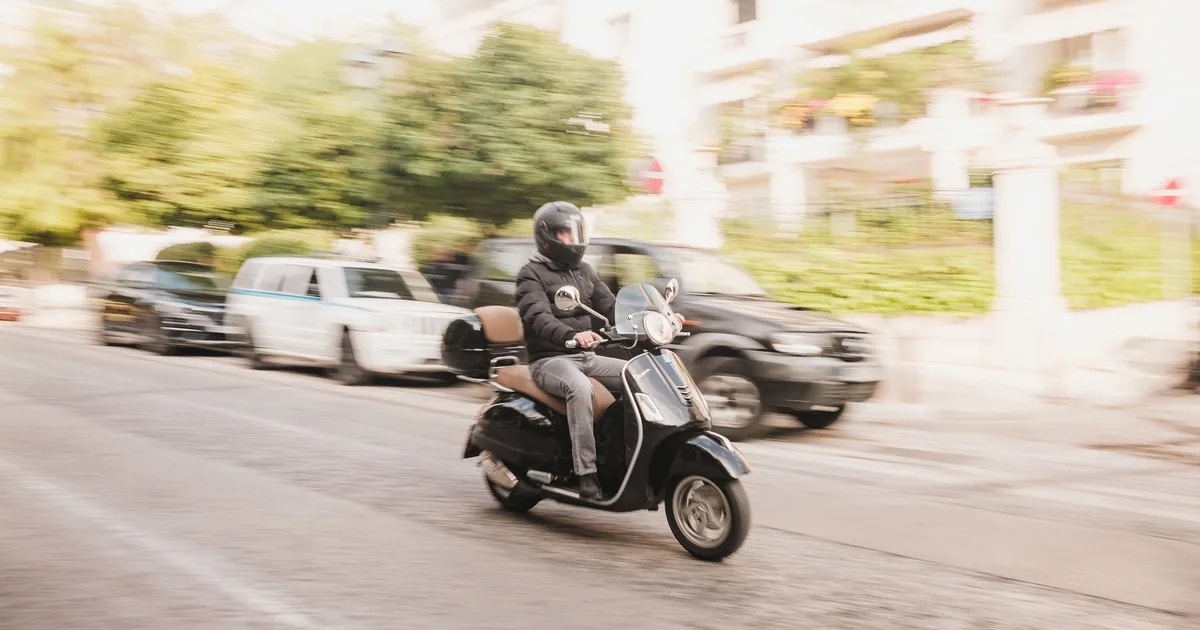
Getting a driving license in Vietnam for foreigners changed completely in 2025 — licensing moved to the police, the motorbike classes were renumbered, and fines jumped. Here’s how to ride legally in HCMC: which IDP actually works, how to convert your license, and what it costs.
The rules for getting a driving license in Vietnam for foreigners were rewritten in 2025, and most of the advice still floating around online is now wrong. Licensing moved from the transport ministry to the police, the motorbike licence classes were renumbered, and a new penalty decree pushed fines sharply higher. If you ride a scooter to the gym in Thao Dien or commute over the bridge into District 1, this is worth getting right — a single check can cost more than a month’s worth of Grab rides.
Here’s what actually applies in 2026, written for tenants who get around HCMC by motorbike.
Do foreigners need a Vietnamese licence?
It depends how long you’re staying and what you ride. There are two lawful routes, and which one fits you is the first thing to sort out.
- Short stay / visitor: a valid International Driving Permit issued under the 1968 Vienna Convention, carried together with the home-country licence it’s based on. Both documents, every time.
- Living here: a Vietnamese driving licence. Most expats don’t sit a fresh test — they convert the licence they already hold (more on that below).
What changed in 2025 (why old guides are wrong)
Two big reforms landed within weeks of each other, and together they make most pre-2025 articles unreliable:
- Licensing moved to the police. From 1 March 2025, state management of driver testing and licence issuance transferred from the Ministry of Transport to the Ministry of Public Security (Circular 12/2025/TT-BCA). In practice that means you no longer go to the old “Sở GTVT / Department of Transport” — foreigners now deal with the Traffic Police receiving points.
- New licence classes. The Law on Road Traffic Order and Safety (Law 36/2024), in force from 1 January 2025, renumbered the licence categories. The motorbike classes you’ll see quoted in older posts no longer match.
So if a blog tells you to visit the Department of Transport with your passport and an “international licence,” it’s describing a system that no longer exists.
The new licence classes, for expats
Most foreigners only care about two or three of these:
| Class (from 2025) | What it covers | Typical expat use |
|---|---|---|
| A1 | Two-wheel motorbikes up to 125cc (or electric up to 11 kW) | The everyday scooter — Honda SH, Air Blade, Vision, most rentals |
| A | Motorbikes over 125cc (or electric over 11 kW) | Bigger bikes — a 150cc+ or any “big bike” |
| B | Private cars up to 8 seats (plus light trucks) | Driving a car yourself |
Riding on an International Driving Permit
This is where most of the confusion lives, because not all IDPs are equal.
The 1968 Vienna Convention IDP — the one that works
Vietnam recognises IDPs issued under the 1968 Vienna Convention. If your country issues one, you can ride or drive on it for the relevant period — but you must carry your matching national licence at the same time. An IDP is a translation of your home licence, not a standalone permit; without the national licence in your pocket, you can still be fined as if you had no valid licence.
1949 Geneva IDPs and “IAA” documents — don’t rely on them
Some countries only issue IDPs under the older 1949 Geneva Convention. Vietnam’s current law points to the 1968 Convention, and there’s no clear official statement that a 1949-only permit is accepted — so treat it as unsafe. If your home country issues only a 1949 IDP (or you’ve been sold an “International Automobile Association / IAA” card), plan to get a Vietnamese licence instead rather than gamble at a roadside check.
How to convert your foreign licence
If you’re a resident, converting (đổi giấy phép lái xe) is almost always the better path: it’s a paperwork exercise, and for a straight conversion of a valid national licence there’s no road test.
Who’s eligible
Under Circular 12/2025/TT-BCA, you can convert if you’re living, working or studying in Vietnam, hold a valid foreign national licence, and hold a residence document — a Temporary Residence Card, permanent residence card, or diplomatic/official ID — valid for at least 3 months. You can’t convert an IDP itself, a temporary/learner licence, or an expired or damaged licence.
Documents to prepare
- Application form for foreigners (provided at the receiving point).
- Your foreign licence plus a certified Vietnamese translation.
- A health certificate from a qualified medical facility (a standard driver’s medical check; budget roughly 300,000–400,000 VND, varying by hospital).
- Your TRC / residence document (valid 3+ months) and passport, with copies.
Where to go, and how long it takes
Conversion dossiers now go to the Traffic Police (Phòng Cảnh sát giao thông / PC08) receiving points, not the old transport department. The exact addresses were reorganised through the 2025 reforms, so check the current receiving-point list on the HCMC Traffic Police or national public-service portal — or ask your building/agent — before you travel; don’t rely on an address from a 2024 blog. Once your dossier is accepted (you’ll show originals and take a photo on site), the licence is typically issued within about 5 working days, with an electronic version sooner. The state fee is small — around 115,000–135,000 VND.
Getting around without riding yourself
Plenty of expats decide the simplest “compliance plan” is not to ride at all — especially in the first months. Grab (bike and car), Xanh SM’s electric taxis, regular taxis, the new Metro Line 1 and walkable pockets cover a lot of daily life. If that’s you, choosing where you live matters more than a licence: see our guide to getting around HCMC and the rundown of walkable neighbourhoods. Renting a scooter from a shop, by the way, is not the same as being legally allowed to ride it — the shop won’t ask for a licence, but the police can.
The fines you’re risking in 2026
The penalty decree that took effect on 1 January 2025 (Nghị định 168/2024/NĐ-CP) raised road fines significantly. The headline figures for the things foreigners actually get caught on:
| Offence | Fine (approx. USD) |
|---|---|
| Riding a motorbike up to 125cc with no valid licence (or a 1968 IDP without your national licence) | 2–4 million VND (~$80–155) |
| Riding a motorbike over 125cc with no valid licence | 6–8 million VND (~$235–315) |
| Driving a car with no valid licence / wrong class | 18–20 million VND (~$700–785) |
| No helmet (rider or passenger), or unfastened strap | 400,000–600,000 VND (~$16–24) |
| Drink-riding a motorbike (any level — Vietnam is effectively zero-tolerance) | From 2 million up to 8–10 million VND |
A few things worth internalising: Vietnam enforces a near-zero blood-alcohol limit, so “one beer and a short ride home” is a real fine, not a grey area. Helmets are mandatory for rider and passenger. And mandatory third-party motor insurance is a separate requirement — riding without a valid licence won’t help you if there’s an accident, even though insurers’ exact claim practices vary. (Fine figures are indicative, converted at roughly 25,500 VND to the dollar; check the current decree for exact bands.)
Where this bites HCMC renters
The legal risk isn’t really the long road trip — it’s the daily 10-minute ride people assume nobody checks.
- Thao Dien (now An Khanh Ward): condo residents scoot to cafes, gyms and Metro Line 1 access constantly. Short hops, but on roads with regular traffic police presence. Browse Thao Dien apartments.
- The Estella / Diamond Island side (legacy “District 2,” now Binh Trung Ward): commutes here cross bigger arteries toward District 1 and Thu Thiem. See District 2 apartments.
- Binh Thanh riverfront: Vinhomes Central Park and Saigon Pearl residents ride Nguyen Huu Canh and the bridges into the centre — heavy urban arteries where “I only go nearby” still means real exposure. See Binh Thanh apartments.
- District 1: many tenants skip owning a bike entirely and rent occasionally — but the licence rule doesn’t switch off because the ride is occasional.
If you fly in and out a lot, the airport-access trade-offs are covered in our guide to apartments near Tan Son Nhat. And riding legally pairs with the rest of your setup — having your temporary residence registered and, if you’re employed here, your work permit and TRC in order, since the TRC is exactly the document that makes licence conversion straightforward.
Frequently asked questions
Can I ride in Vietnam on my home country’s licence?
Not on its own. You need either a 1968 Vienna Convention IDP carried with that home licence, or a Vietnamese licence. A home licence alone doesn’t make you legal to ride here.
Is a 1949 Geneva IDP valid in Vietnam?
Vietnam’s current law points to the 1968 Vienna Convention, and there’s no clear official recognition of a 1949-only permit. If your country issues only a 1949 IDP, don’t rely on it — get a Vietnamese licence instead.
Do I need a road test to convert my foreign licence?
For a straight conversion of a valid national licence, the procedure lists no road test — it’s a documents process. Fresh first-time licensing (with no convertible licence) is a different route that does involve testing.
Can I convert my licence on a tourist visa?
The eligibility rules are built around a residence document (TRC/permanent/diplomatic) valid at least 3 months, so a short tourist or e-visa alone isn’t a reliable basis. Confirm with the HCMC Traffic Police, and in the meantime use the 1968 IDP route or don’t ride.
Where do foreigners apply for a licence in HCMC now?
At the Traffic Police (Phòng CSGT / PC08) receiving points, not the old Department of Transport. The office network was reorganised in 2025, so check the current list on the official HCMC Traffic Police or public-service portal before going.
How much does it cost?
The state licence fee is small — around 115,000–135,000 VND — plus a driver’s health check of roughly 300,000–400,000 VND and the cost of a certified translation. Budget for translation and the medical, not the fee itself.
What’s the fine if I’m caught without a licence?
Under the 2025 penalty decree, riding a motorbike up to 125cc without a valid licence is 2–4 million VND; over 125cc, 6–8 million VND; driving a car, 18–20 million VND. Carrying a 1968 IDP but not your national licence is treated the same as having no valid licence.
Key takeaways
Riding legally in Vietnam — the short version
- Two legal routes: 1968 Vienna IDP + your home licence (short stay), or a Vietnamese licence (residents).
- Always carry the national licence alongside a 1968 IDP — the IDP alone isn’t enough.
- Skip the 1949 IDP and any “IAA international licence” — get a Vietnamese licence instead.
- Licensing is now run by the police (since March 2025), not the Department of Transport.
- New A1 = up to 125cc, not the old 175cc; class A for bigger bikes, class B for cars.
- Convert with a TRC/residence doc valid 3+ months — no road test, ~115–135k VND, about 5 days.
- Fines start at 2–4 million VND for an unlicensed scooter, and Vietnam is zero-tolerance on alcohol.
Settling into HCMC — we can help
We help foreign tenants find apartments that fit how they actually get around — walk-and-Metro pockets in District 1, scooter-friendly Thao Dien, or riverside Binh Thanh near the bridges. No fee charged to tenants.
Related guides:
Ready to find your home in Ho Chi Minh City?
Tell us your budget, area, and timeline — we send a curated shortlist within 24 hours.
WhatsApp Us